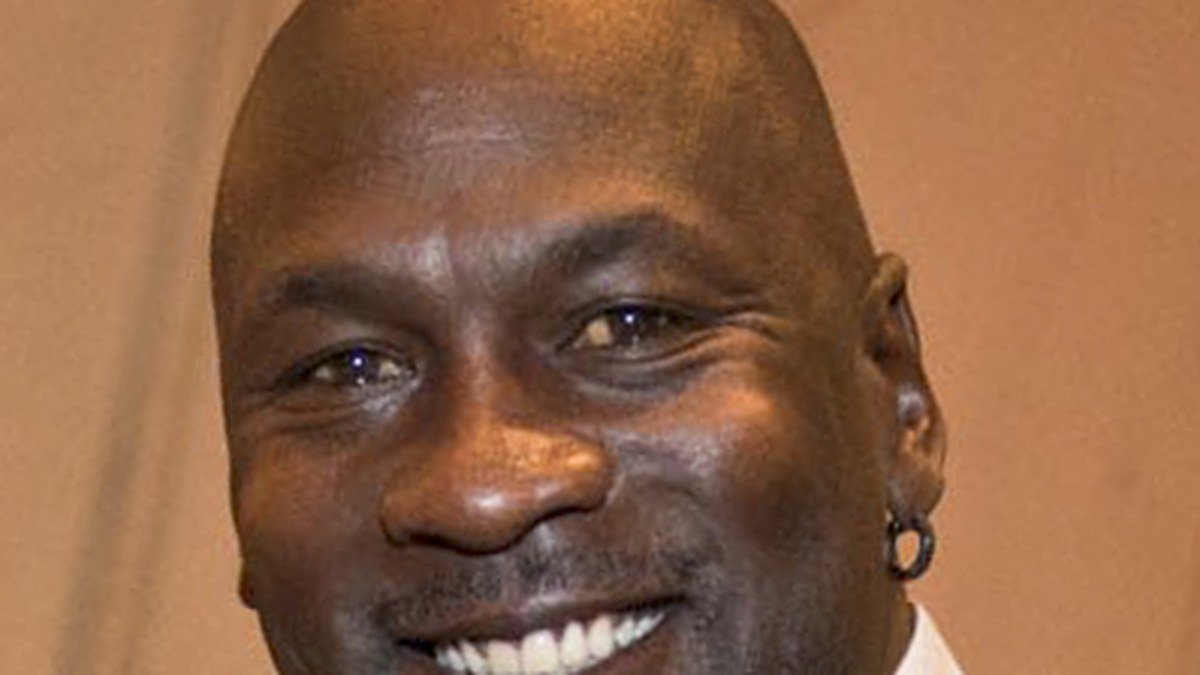
Michael Jordan has reacted to news that Jerry Krause, the former general manager who built the Bulls dynasty alongside him, is stepping down from his position due to health issues. According to Basketball Network, Jordan said of Krause’s decision, "It’s about time he started thinking about himself physically." The comment reflects Jordan’s perspective on prioritizing personal wellbeing, a sentiment that comes as the basketball world remains fixated on various aspects of the legendary player’s career and influence.
Krause’s departure marks a significant moment for the Bulls organization. The longtime executive spent decades shaping the team’s direction and played a crucial role in assembling the roster that brought six championships to Chicago during the 1990s. While the exact nature of Krause’s health concerns was not detailed in available reports, his decision to step aside underscores the toll that years of high-pressure management can take. Jordan and Krause’s relationship, though complicated at times, produced one of sports’ greatest dynasties. Their professional partnership transformed the Bulls from a struggling franchise into a championship powerhouse that dominated the NBA throughout the decade.
Beyond the front office, Jordan’s presence continues to loom large over basketball culture through multiple channels. According to WWD, the original Air Jordan 16 is making a comeback for the first time ever. This particular sneaker holds special significance as it represents a key chapter in the Air Jordan line’s evolution. The re-release of the Air Jordan 16 demonstrates the enduring commercial appeal of Jordan’s brand, which remains one of the most valuable and recognizable sports properties globally.
Meanwhile, other basketball figures have been weighing in on Jordan’s legacy. Kobe Bryant recently shared his thoughts on what he admired most about Jordan, according to Yahoo Sports. Bryant revealed a specific quality about Jordan that he always aspired to emulate, highlighting the way that Jordan’s excellence continues to influence the next generation of players. This kind of admiration underscores Jordan’s impact not just on the court but on the mindset of athletes who came after him.
Comparisons between Jordan and other all-time greats remain a constant topic in basketball circles. Charles Barkley recently ranked Jordan and Bryant ahead of LeBron James, according to reporting from multiple outlets. These rankings, while subjective, reflect ongoing debates about where different players stand in the all-time hierarchy. The conversations around Jordan’s place in basketball history rarely settle, as new voices continue to challenge or affirm his legacy.
Not everyone agrees on how to evaluate Jordan’s achievements. Nick Wright challenged the playoff legacy narrative surrounding Jordan, according to Yardbarker. While the specifics of Wright’s argument were not fully detailed in available reports, his commentary reflects a broader trend of analysts and commentators reassessing historical records and accomplishments through different lenses. These discussions show that even decades into retirement, Jordan’s career continues to generate substantive debate about standards, contexts, and what truly defines greatness.
The convergence of these stories creates a picture of Jordan as a figure whose influence extends across multiple dimensions of basketball and popular culture. His philanthropic gestures toward figures like Krause, his commercial empire through Nike, his mentorship of younger players like Bryant, and his historical standing all remain active parts of the conversation. Whether through management decisions, sneaker releases, or comparative analysis, Jordan’s name and legacy appear regularly in sports news, keeping him relevant even as the game evolves around newer stars.
